June 29, 2026
Regularly maintaining home comfort systems is one of the most effective ways to protect a significant household investment. Many property owners overlook the complex mechanics running behind their walls until a sudden breakdown occurs during a period of extreme weather. Taking a proactive approach to system oversight changes this dynamic entirely, shifting the focus from stressful emergency responses to predictable, manageable care. By understanding the core mechanics of climate control systems, individuals can easily see how small, routine adjustments prevent major mechanical failures down the line. Investing in routine HVAC service plans can help keep your system in good shape in the long run.
The journey toward long-term system reliability begins with a baseline commitment to professional oversight. A comprehensive overview of system health involves looking at everything from electrical connections to airflow pathways, ensuring that no hidden defects are left to worsen over time. This foundational layer of care sets the stage for optimal performance, lower utility expenses, and a healthier living environment. Ultimately, prioritizing consistent check-ups transforms how a household experiences comfort, turning a complex network of machinery into a reliable, efficient asset.
1. Optimizing Operational Efficiency
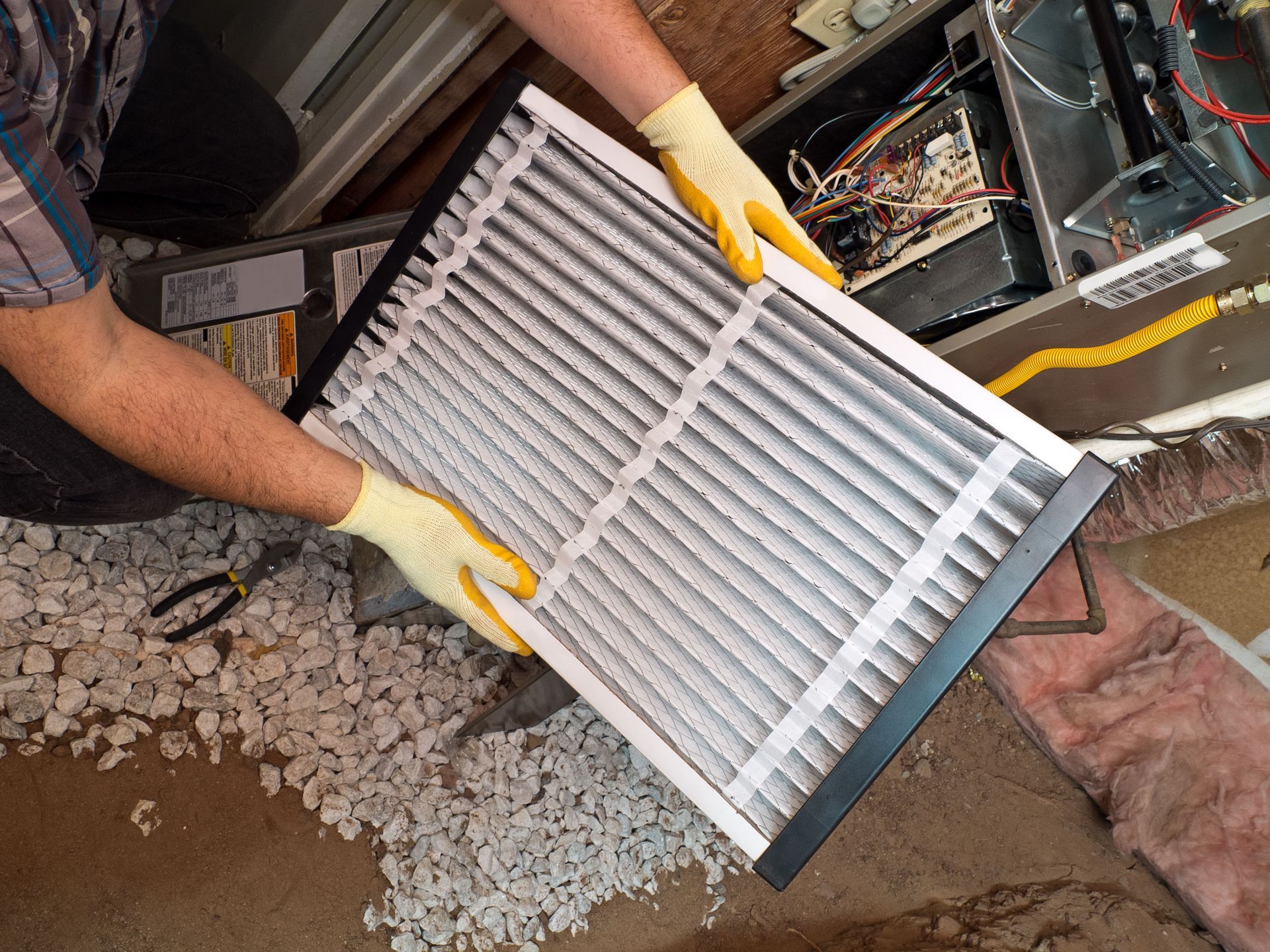
Maximizing the output of a climate control system requires regular attention to internal airflow and cleanliness. When dust accumulates on internal components, the system experiences restricted movement and must consume far more energy to regulate temperatures. This extra strain forces the machinery to run for longer cycles, which accelerates the deterioration of sensitive components like motors and compressors. Utilizing a regular HVAC service ensures that technicians can thoroughly clean these vital parts, lowering monthly utility bills while maintaining a stable indoor climate.
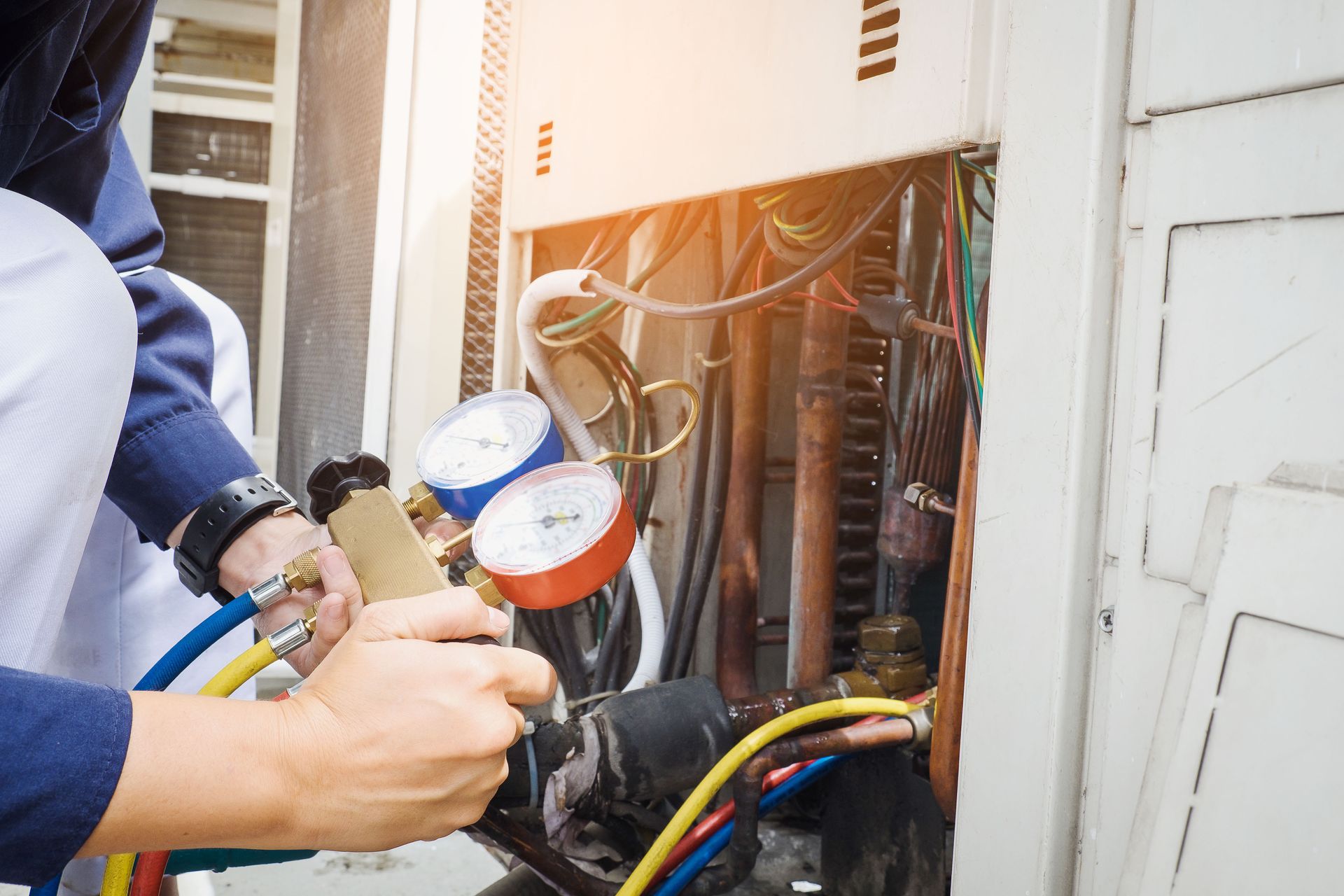
Beyond individual part performance, overall energy consumption drops dramatically when the entire system is properly calibrated. Small issues like slight refrigerant imbalances or miscalibrated thermostats can cause a system to drain excessive power without delivering the desired comfort levels. Early identification of these efficiency drains prevents minor operational glitches from turning into complete system failures. Regular adjustments ensure that every watt of electricity is used effectively, keeping household energy demands within an eco-friendly and economically sustainable range.
2. Extending Equipment Longevity
The physical components of heating and cooling units are designed to work in harmony, meaning that the failure of one small part can quickly compromise the entire setup. When worn-out parts are left unaddressed, they place an unnatural burden on connected mechanisms, causing a chain reaction of mechanical wear. According to HomeGuide, HVAC systems usually last 15 to 25 years, depending on the brand and usage. Ensuring cleanliness allows systems to reach the upper end of that lifespan range.
Preventing the overexertion of equipment involves keeping a close eye on the baseline balance of the system. If a fan motor is struggling or a filter is entirely blocked, the system will overcompensate by running continuously, rapidly burning through its operational life. Scheduled visits from a professional team allow for the timely replacement of degrading components before they cause terminal damage to the main compressor or heat exchanger. This careful preservation of equipment balance ensures that the machinery operates comfortably within its engineered limits for decades.
3. Purifying Indoor Air
Indoor environments easily trap a wide variety of airborne particles, ranging from simple household dust and pet dander to mold spores and pollen. Without proper filtration and regular duct inspections, these particles circulate continuously through the living spaces, aggravating respiratory issues and lowering overall comfort. Comprehensive care includes deep cleaning the internal coils and checking the filtration pathways to ensure that airborne irritants are successfully trapped and removed from circulation.
Controlling humidity levels is another critical aspect of maintaining high air quality that is managed during a standard HVAC service appointment. Systems that suffer from neglected maintenance often fail to dehumidify spaces properly, creating damp environments where biological growth thrives. Technicians check the condensate lines and evaporator coils to make sure moisture is being extracted effectively from the air. Keeping these areas clean and clear drastically reduces the presence of allergens, resulting in a fresher, healthier indoor atmosphere for everyone in the home.
4. Decreasing Emergency Risks
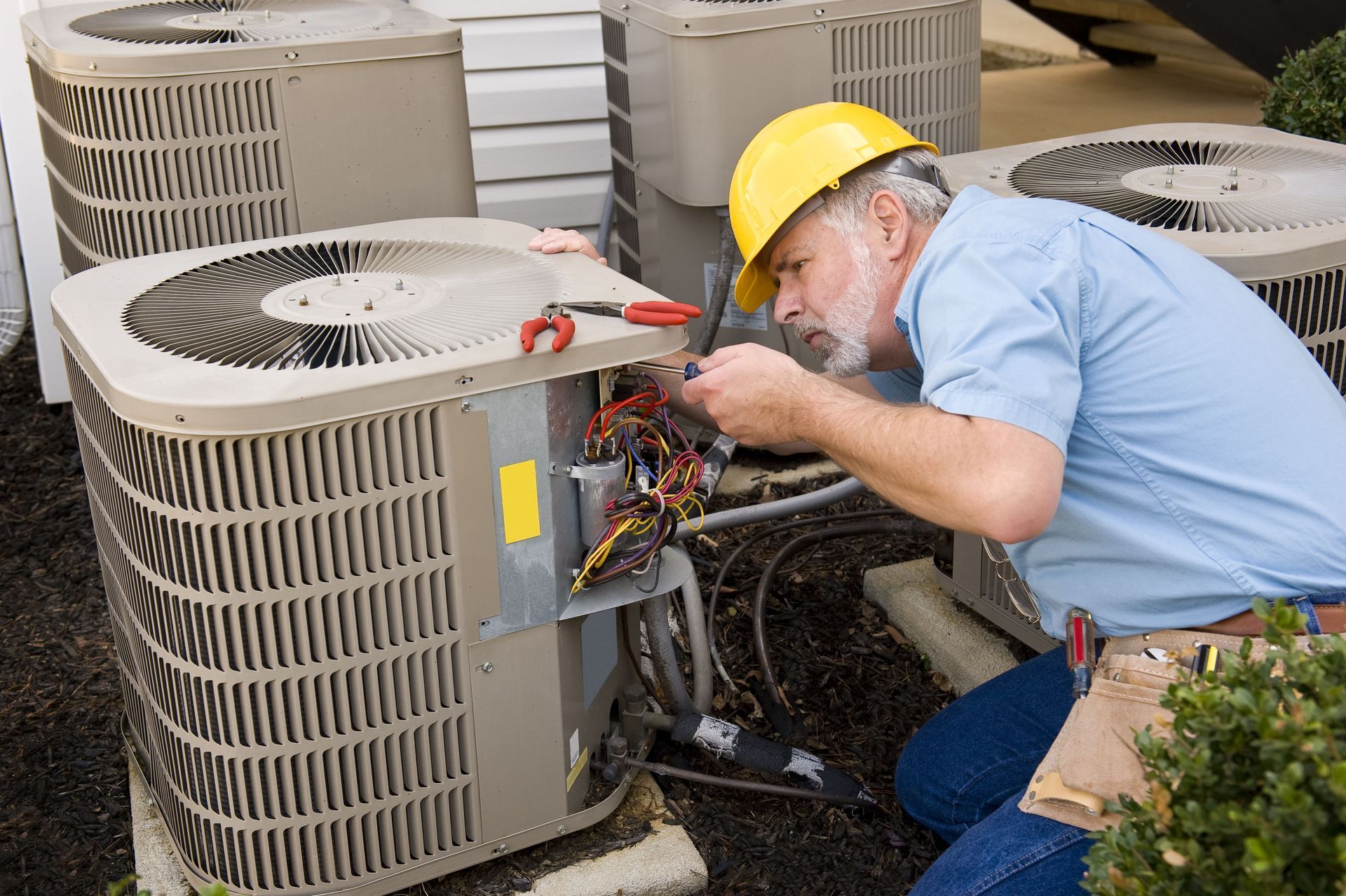
The most inconvenient mechanical failures always seem to happen during the hottest days of summer or the freezing depths of winter, when systems are pushed to their absolute limits. These sudden breakdowns rarely happen without warning; instead, they are usually the result of minor issues that went unnoticed for months. Professional technicians are trained to identify subtle warning signs, such as slight structural cracks, unusual vibrational frequencies, or minor electrical fluctuations, long before they cause a complete shutdown.
Conducting routine system checks allows property owners to plan for repairs proactively rather than reacting to a sudden crisis. When a technician notes that a component is nearing the end of its functional life, the replacement can be scheduled at a convenient time, avoiding premium emergency service rates and uncomfortable days without climate control. This strategic approach minimizes unplanned downtime and gives households complete control over their maintenance schedules. Regular monitoring provides a dependable buffer against the stress of unexpected failures.
5. Protecting Household Safety
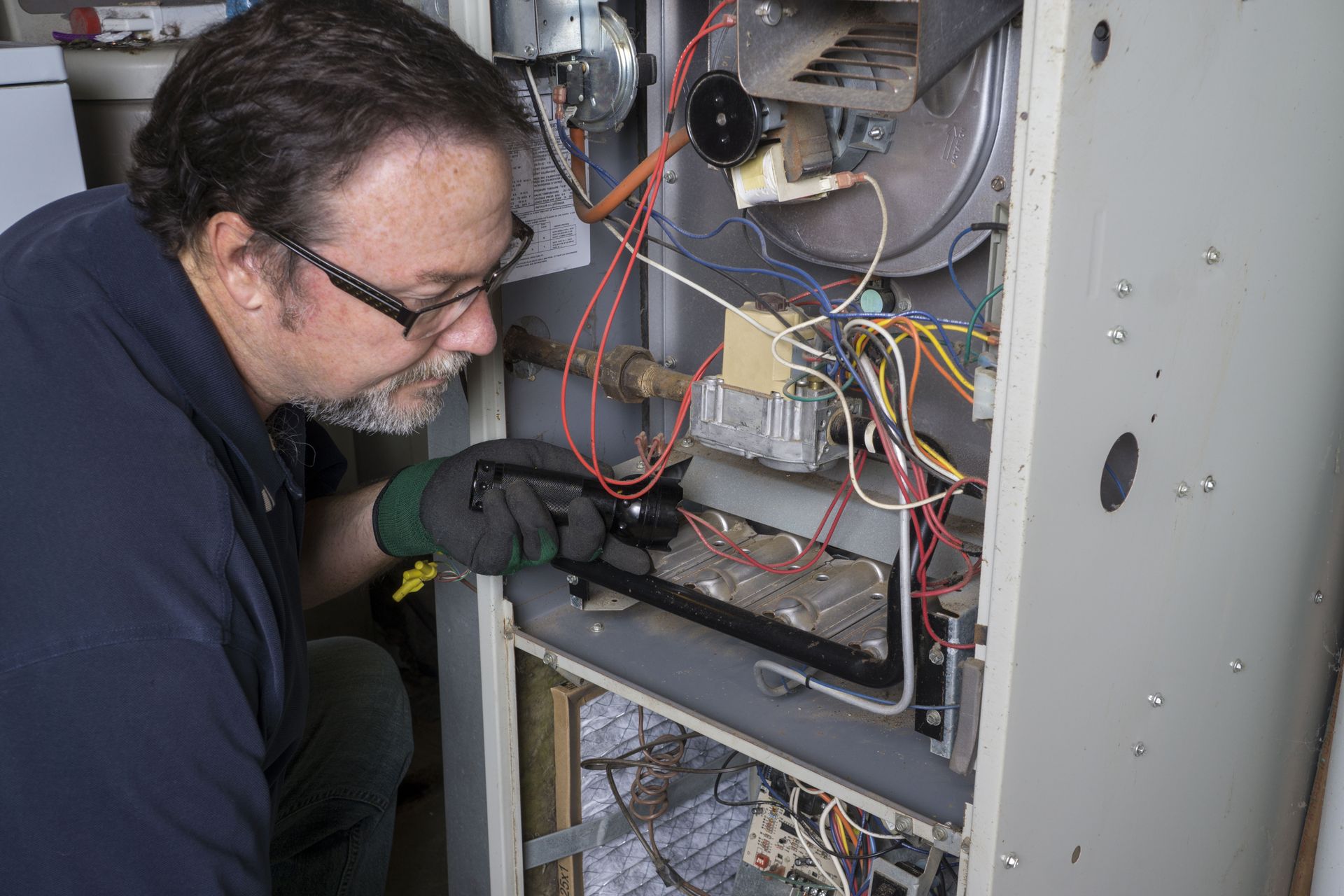
HVAC service plans for maintain your system aren't just a matter of comfort and finance; it is also a fundamental safety consideration for every household. Heating systems that utilize natural gas or fuel oil carry inherent risks of carbon monoxide leaks if the ventilation flues or heat exchangers become cracked or blocked. Because carbon monoxide is completely odorless and invisible, regular inspections of these exhaust pathways are absolutely vital to ensure that dangerous gasses are being safely directed outside the home.
Electrical safety is another major focus during standard maintenance visits, as loose wiring or corroded connections can easily lead to short circuits or localized fires. Technicians carefully inspect all electrical bounds, tightening connections and measuring voltage drops to ensure safe operation. Furthermore, monitoring the system helps detect hidden refrigerant leaks, which can damage the environment and compromise mechanical safety if left unchecked. Keeping all components aligned with local safety standards ensures complete compliance and structural security.
6. Cultivating Total Comfort
Knowing that home infrastructure is in peak condition brings a deep sense of relief to any property owner. Instead of worrying about whether the heating or cooling will hold up during a major weather event, individuals can rest easy knowing their systems have been verified by experts. This certainty extends to financial predictability as well, as optimized systems eliminate the surprise of massive utility spikes or sudden, multi-thousand-dollar replacement costs.
True peace of mind comes from knowing that the very air circulating through a home is clean, safe, and perfectly tempered. When a professional team takes responsibility for the ongoing health of the system, homeowners can focus on their daily lives without the background anxiety of potential mechanical disasters. The relationship built with expert technicians ensures that future system needs are anticipated accurately, allowing for smooth, long-term household planning. Consistent care transforms home maintenance from a chore into a reliable source of comfort.
Investing in the continuous upkeep of climate control systems is a straightforward strategy for protecting home health, personal safety, and financial resources. By addressing minor mechanical strains before they escalate, property owners can easily avoid the high costs and severe disruptions associated with catastrophic equipment failure. Keeping every component clean, balanced, and properly calibrated ensures that energy use remains low and indoor air remains pure and safe for the family. Do not wait for a major system failure to take action and disrupt your household comfort. Contact Allweather Air Conditioning & Heating today to schedule your comprehensive
HVAC service and secure lasting reliability for your home.