August 26, 2026
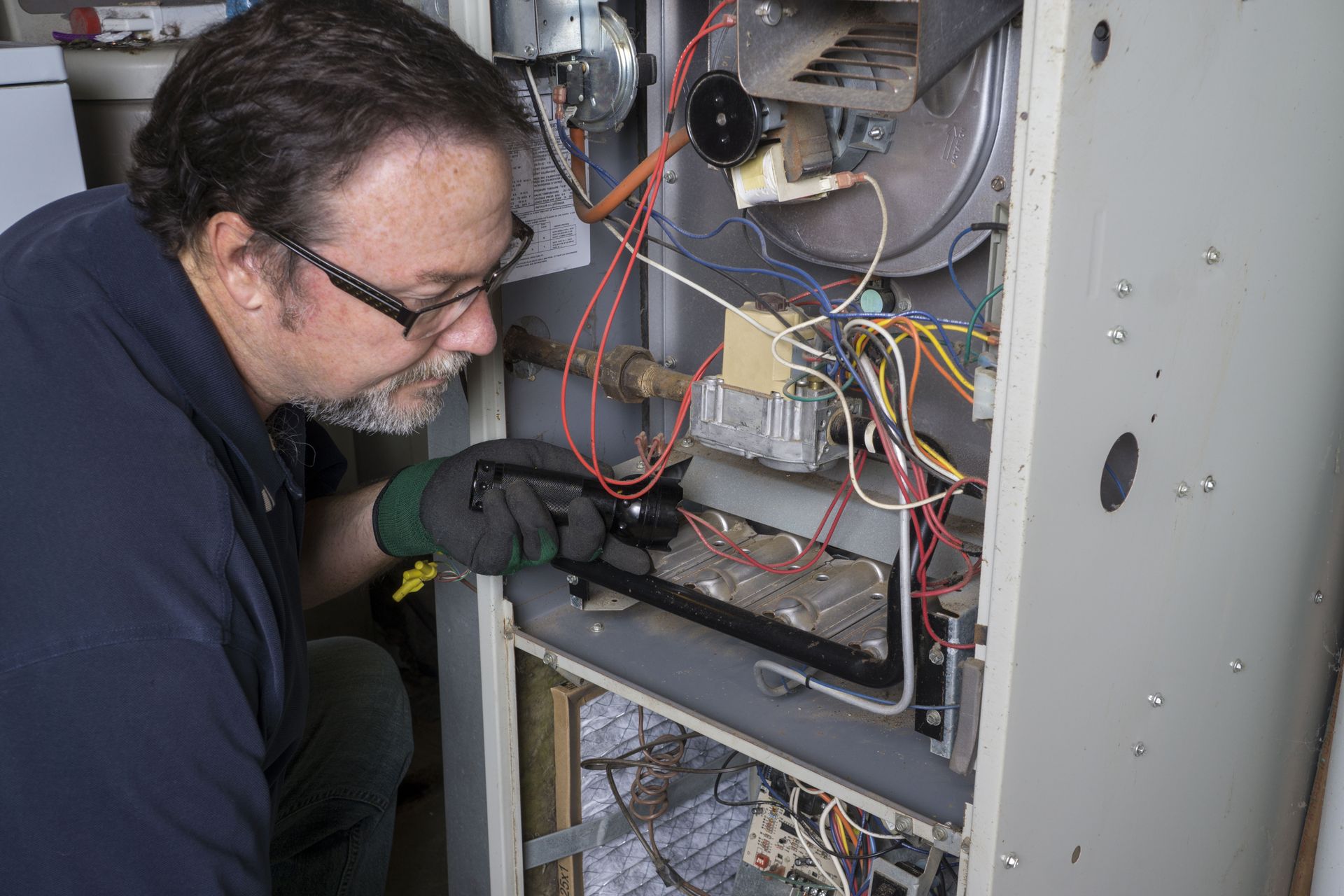
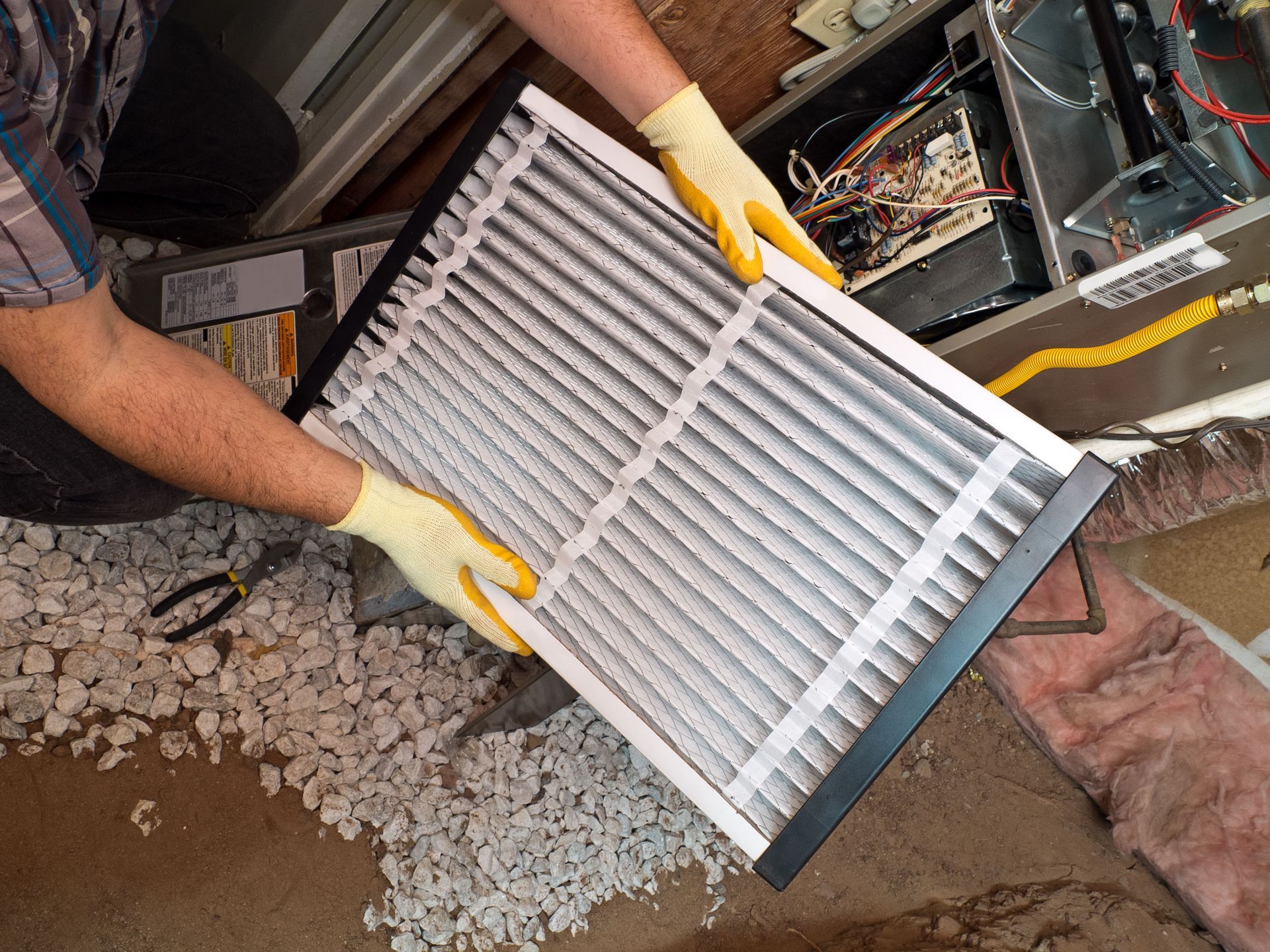
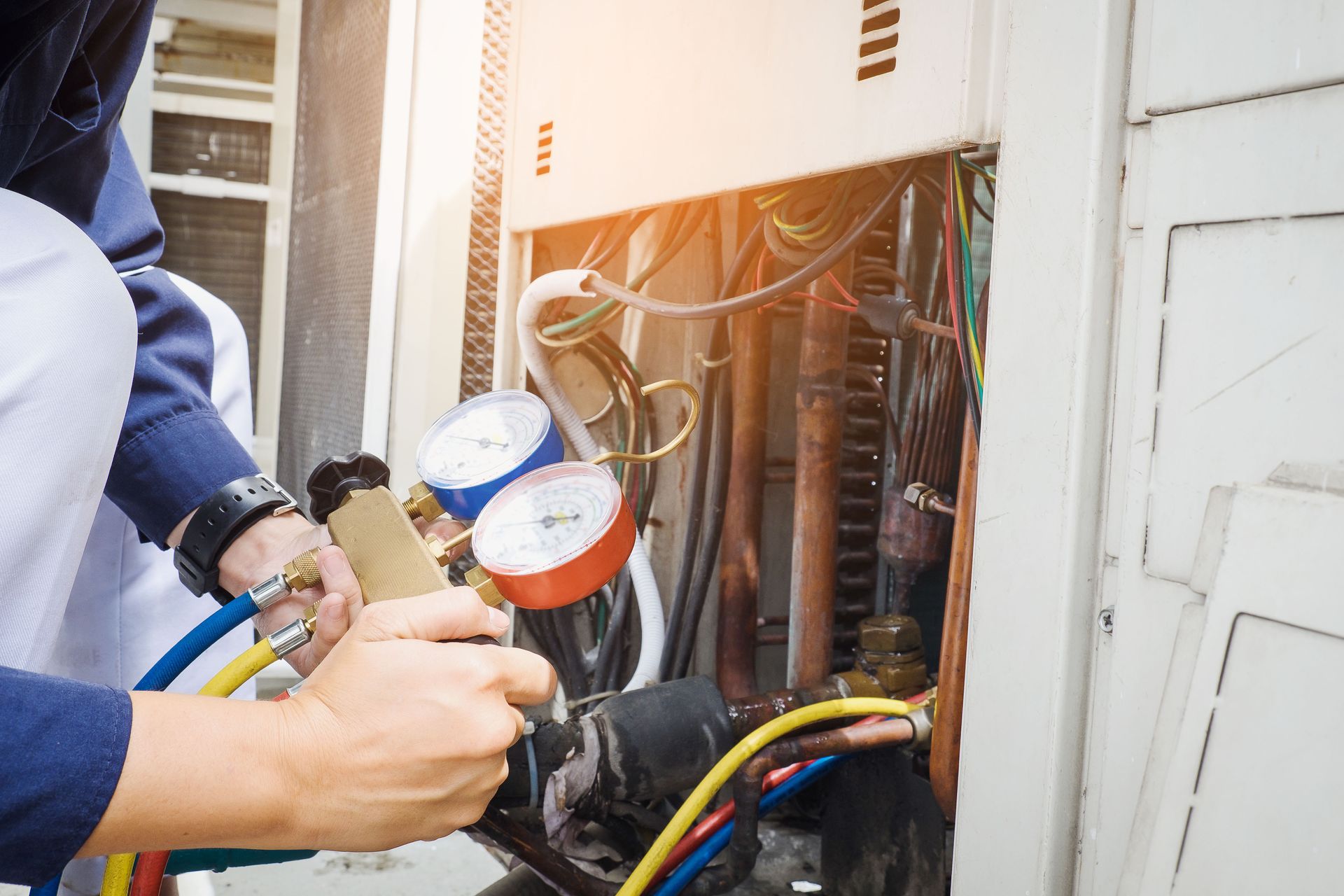
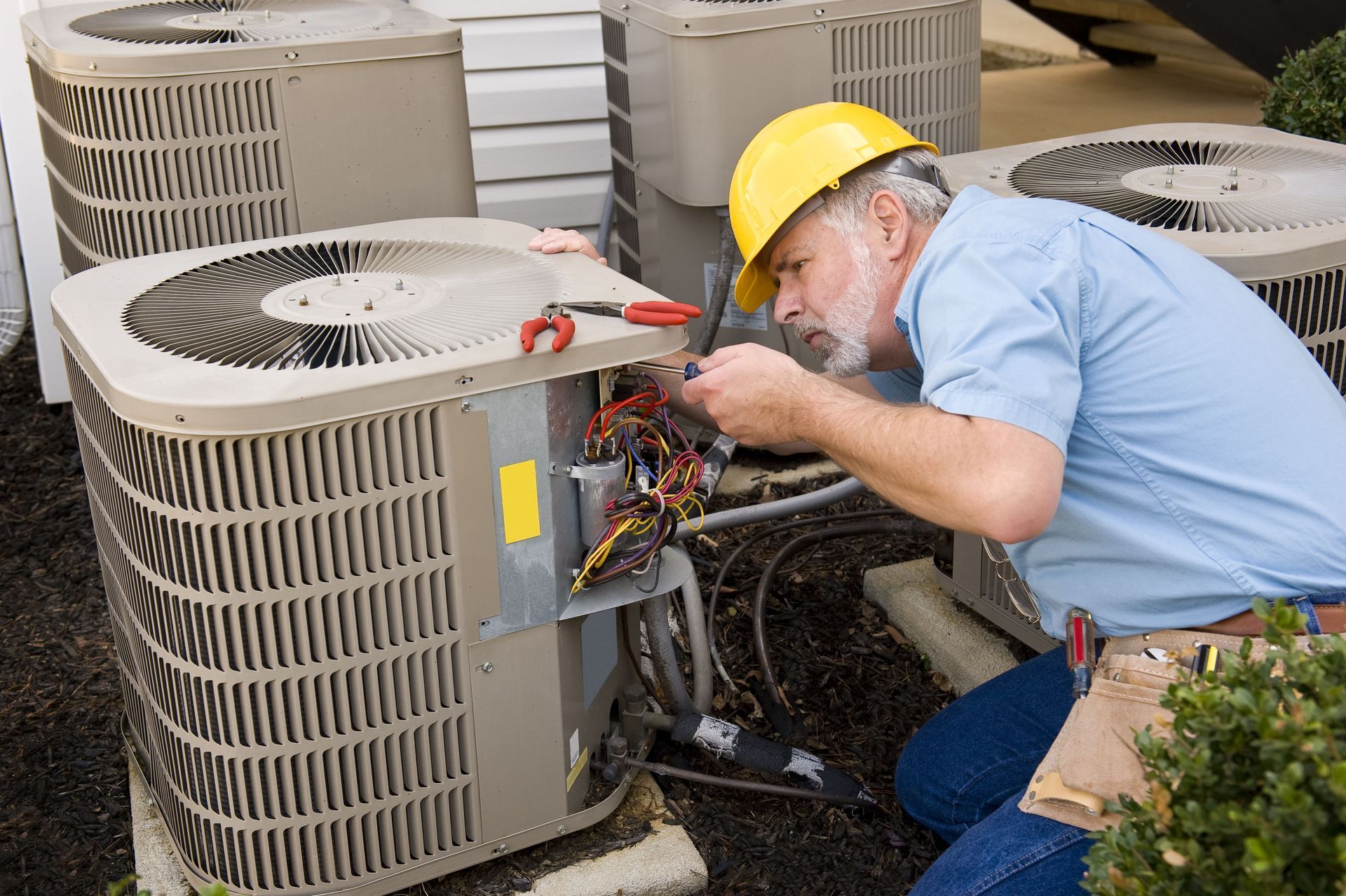
Deciding whether to repair or replace an HVAC system can be challenging, especially when a problem appears unexpectedly. While repairs can often restore comfort and extend the life of your equipment, there are situations where continued fixes may no longer be the most practical choice. An aging system, repeated breakdowns, rising energy costs, and declining performance can all indicate that replacement deserves consideration. Looking at the condition of the equipment as a whole can help homeowners make a more informed decision. A local HVAC contractor can evaluate the system and explain whether a repair is likely to provide a lasting solution. Replacement may require a larger initial investment, but it can sometimes reduce future repair expenses and improve everyday comfort. Understanding when replacement makes more sense can help you avoid putting money into equipment that is nearing the end of its useful life.
Replacing an Aging System
Age is one of the most important factors to consider when deciding between HVAC repair and replacement. Even well-maintained equipment eventually experiences more wear as its components age. Older systems may require replacement parts more frequently and can become less efficient over time. A repair might temporarily solve one problem while another issue develops shortly afterward. When equipment is nearing or has exceeded its expected service life, investing in major repairs may not always be worthwhile. The condition of the system, its maintenance history, and the cost of the necessary repair should all be considered together. Homeowners who are unsure about the best option can have the equipment inspected by a local HVAC contractor for a clearer assessment. Replacing an aging system can provide greater reliability and help reduce concerns about unexpected breakdowns.
Avoiding Frequent Repair Costs
One isolated repair does not necessarily mean that an HVAC system needs to be replaced. However, repeated service calls can become frustrating and expensive over time. If one component fails after another, the combined cost of repairs may begin to approach the cost of new equipment. Frequent breakdowns can also leave your home without dependable heating or cooling when you need it most. Instead of continuing to address individual problems, it may be more practical to consider the overall condition of the system. A replacement can eliminate many issues associated with worn components and aging technology. When evaluating repeated repair needs, a local HVAC contractor can help compare the projected costs of continued service with the investment in new equipment. This comparison can make it easier to determine which option offers better long-term value.
Improving Energy Efficiency
An older HVAC system may continue operating while using more energy than necessary to maintain a comfortable indoor temperature. Wear, outdated components, and reduced efficiency can all contribute to higher utility bills. If your energy costs continue increasing without another clear explanation, the HVAC system may be part of the problem. Newer equipment is designed with improved technology that can help provide more efficient performance. Replacing an inefficient system may allow your household to use less energy for heating and cooling throughout the year. The potential savings will depend on the type of equipment selected, your home, and your normal usage habits. By discussing available options with a local HVAC contractor, you can better understand which system features may improve efficiency for your specific property. A new installation can also provide an opportunity to address other factors that affect energy use, such as outdated or improperly designed ductwork.
Restoring Consistent Home Comfort
Uneven temperatures throughout the home can be a sign that the HVAC system is struggling to perform as it should. You may notice that certain rooms feel too warm while others remain uncomfortably cool. In some cases, repairs or adjustments can correct these issues, but ongoing comfort problems may point to a larger concern. An aging or improperly sized system may have difficulty meeting the demands of the home. Replacement can provide an opportunity to select equipment that better matches your household's heating and cooling needs. Proper sizing is especially important because equipment that is too large or too small may not operate efficiently or consistently. A qualified local HVAC contractor can assess your home's layout, comfort concerns, and system requirements before recommending replacement equipment. Addressing these factors during the installation process can help create more balanced and dependable comfort.
Addressing Major Component Failures
Some HVAC repairs are relatively simple, while others involve expensive and essential components. A major failure can force homeowners to decide whether the repair cost is justified for the age and condition of the equipment. Replacing a significant component in an older system may restore operation, but it does not address the condition of the remaining parts. Other worn components could still require attention in the near future. When a costly repair is needed, it is helpful to compare the expense with the benefits of installing new equipment. According to HomeGuide, HVAC installation may take around one to two days when existing ductwork is already in place, while projects requiring new ductwork can take approximately three to five days. Understanding the installation timeline can make replacement feel more manageable when a major repair is no longer the most sensible option. Planning ahead with a local HVAC contractor can also help you understand what to expect throughout the replacement process.
Choosing Better System Technology
HVAC technology has continued to evolve, providing homeowners with more options for controlling comfort and energy use. Older systems may lack features that are now common in newer equipment. Depending on the system selected, replacement may provide improved temperature control, better airflow, and compatibility with modern thermostat technology. Some newer systems also offer advanced features that make it easier to adjust settings based on your household's routine. These improvements can contribute to a more convenient and responsive indoor environment. While additional features should not be the only reason to replace functioning equipment, they can add value when replacement is already being considered. A local HVAC contractor can explain the available options and help you compare systems based on your home's needs and budget. Selecting equipment with useful features can help ensure that your new system continues meeting your expectations for years to come.
Preparing for Home Renovations
Major home renovations can create the right opportunity to reconsider an existing HVAC system. Adding rooms, finishing unused spaces, or changing the layout of your home can affect heating and cooling requirements. A system that worked well before a renovation may no longer be properly sized for the updated space. Ductwork may also need to be extended, modified, or replaced to support the new layout. Installing replacement equipment during a larger project can sometimes make planning and construction more efficient. It also allows homeowners to consider the entire comfort system rather than addressing equipment and ductwork separately. During renovation planning, a local HVAC contractor can evaluate whether the current system is capable of handling the home's updated demands. Making necessary changes before construction is complete can help prevent future comfort concerns and unnecessary modifications.
Preventing Unexpected Breakdowns
An HVAC system that has become unreliable can create significant inconvenience for any household. Breakdowns often occur during periods of heavy use, when heating or cooling is needed the most. Although emergency repairs can restore operation, repeated concerns about reliability may indicate that replacement is the better long-term choice. New equipment can provide greater peace of mind by reducing the likelihood of problems associated with aging and heavily worn components. Preventive replacement also gives homeowners more time to research equipment and make decisions without the pressure of an unexpected failure. This can make it easier to compare options, schedule installation, and prepare for the project. Working with a local HVAC contractor before the system completely fails can help you create a replacement plan that fits your needs. Taking action early may help you avoid the stress and discomfort that can come with an unexpected HVAC emergency.
When your HVAC system is becoming unreliable, inefficient, or increasingly expensive to repair, Allweather Air Conditioning & Heating can help you evaluate your options. Our team can assess your equipment, discuss your comfort needs, and help you determine whether repair or replacement makes the most sense for your home. Contact us today to schedule an appointment and take the next step toward dependable indoor comfort.